

Artificial Intelligence is growing at an unprecedented pace. From advanced language models and autonomous systems to cloud applications and data analytics, the demand for computing power has never been higher. However, this rapid expansion comes with a significant challenge: energy consumption.
As data centers continue to consume massive amounts of electricity, technology companies are facing increasing pressure from investors, governments, and consumers to reduce their environmental impact. This is why Silicon Valley is aggressively investing in carbon-neutral compute clusters—a new generation of computing infrastructure designed to deliver high-performance processing while minimizing carbon emissions.
In 2026, carbon-neutral computing is no longer a niche sustainability initiative. It has become a strategic business priority that is shaping the future of cloud computing, artificial intelligence, and enterprise technology.
What Are Carbon-Neutral Compute Clusters?
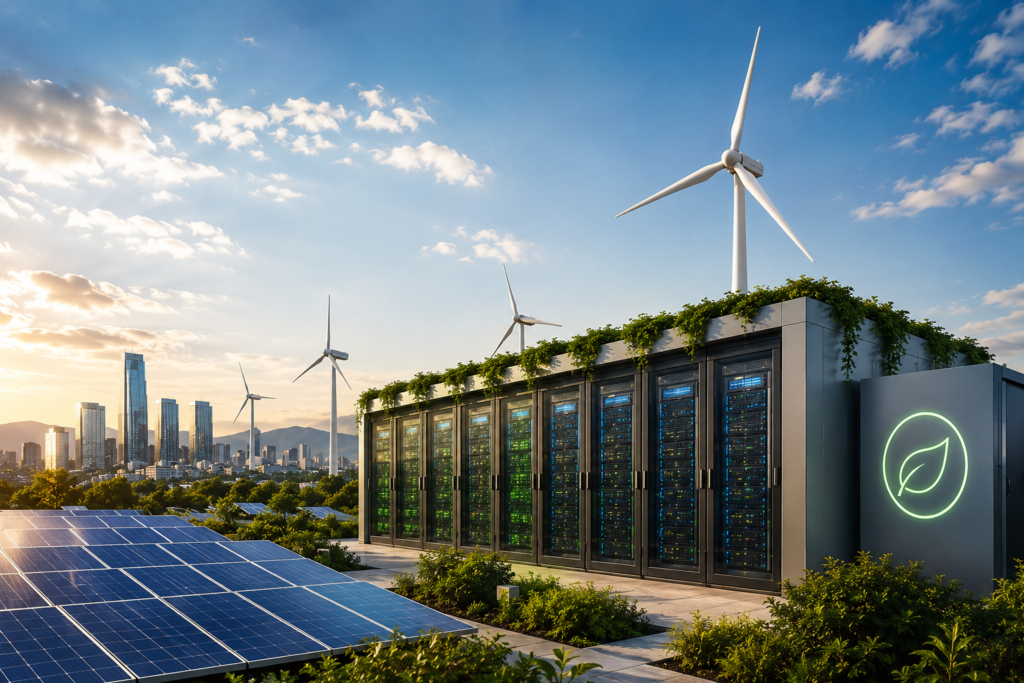
A carbon-neutral compute cluster is a network of servers, storage systems, and computing resources that operate with net-zero carbon emissions. These clusters achieve carbon neutrality through a combination of:
- Renewable energy sources such as solar, wind, and hydroelectric power
- Energy-efficient hardware and cooling systems
- Carbon offset programs
- Advanced workload optimization technologies
- Sustainable data center design
The goal is to ensure that the carbon emissions generated by computing operations are either eliminated or fully offset, creating a more environmentally responsible infrastructure.
The AI Boom Is Driving Energy Demand
The explosive growth of artificial intelligence has dramatically increased global demand for computational resources. Training large AI models requires thousands of GPUs operating continuously for days or even weeks.
Modern AI workloads consume significantly more power than traditional software applications. As organizations race to develop more advanced AI systems, the energy requirements of data centers continue to rise.
Industry leaders recognize that scaling AI without sustainable infrastructure could lead to rising operational costs and environmental concerns. Carbon-neutral compute clusters provide a practical solution by enabling continued growth while reducing ecological impact.
Why Silicon Valley Is Investing in Carbon-Neutral Infrastructure
1. Rising Environmental Regulations
Governments around the world are introducing stricter environmental regulations and carbon reporting requirements.
Technology companies that proactively invest in carbon-neutral infrastructure can stay ahead of regulatory changes, avoid future compliance challenges, and strengthen their sustainability commitments.
Organizations that demonstrate environmental responsibility are also better positioned to attract investors focused on Environmental, Social, and Governance (ESG) criteria.
2. Lower Long-Term Operating Costs
While renewable energy projects require substantial upfront investment, they often reduce operating costs over time.
Solar and wind energy can provide more predictable energy pricing compared to traditional power grids. Additionally, energy-efficient hardware reduces electricity consumption, resulting in significant savings for large-scale data centers.
For companies running AI workloads 24/7, even small efficiency improvements can translate into millions of dollars in annual savings.
3. Growing Demand for Sustainable AI
Businesses increasingly want their technology providers to align with sustainability goals.
Enterprises using cloud services now evaluate not only performance and pricing but also environmental impact. Carbon-neutral compute clusters allow cloud providers to offer greener services that appeal to environmentally conscious customers.
This competitive advantage is becoming increasingly important as sustainability becomes a key purchasing factor.
4. Corporate Net-Zero Commitments
Many leading technology companies have announced ambitious net-zero carbon targets.
Achieving these goals requires addressing emissions from data centers, which are among the largest sources of energy consumption in the technology sector.
Carbon-neutral compute clusters help organizations move closer to their climate commitments while maintaining the computational power needed for innovation.
Technologies Powering Carbon-Neutral Compute Clusters
Several innovations are making carbon-neutral computing possible.
Renewable Energy Integration
Modern data centers are increasingly powered by:
- Solar farms
- Wind energy projects
- Hydroelectric power plants
- Geothermal energy systems
By sourcing electricity from renewable resources, companies can significantly reduce their carbon footprint.
Advanced Cooling Systems
Cooling infrastructure accounts for a substantial portion of data center energy consumption.
Innovative technologies such as:
- Liquid cooling
- Immersion cooling
- AI-driven thermal management
- Heat recycling systems
help reduce energy waste while improving hardware performance.
AI-Powered Energy Optimization
Ironically, artificial intelligence is helping make AI infrastructure more sustainable.
Machine learning systems can monitor energy usage in real time, optimize server workloads, predict cooling requirements, and improve overall efficiency.
This intelligent resource management helps maximize performance while minimizing energy consumption.
Energy-Efficient Hardware
New generations of processors, GPUs, and accelerators are designed to deliver greater computational performance per watt.
By improving efficiency at the hardware level, companies can reduce emissions without sacrificing processing power.
Benefits Beyond Sustainability
Carbon-neutral compute clusters offer advantages that extend beyond environmental responsibility.
Improved Brand Reputation
Consumers increasingly support businesses that prioritize sustainability. Companies that invest in green infrastructure can strengthen customer trust and brand loyalty.
Greater Energy Independence
Organizations relying on renewable energy sources are less vulnerable to fluctuations in traditional energy markets.
Enhanced Investor Confidence
Investors are paying closer attention to ESG performance. Sustainable technology infrastructure can improve investor perception and support long-term growth strategies.
Future-Proof Infrastructure
As environmental regulations continue to evolve, businesses with carbon-neutral computing capabilities will be better prepared for future compliance requirements.
Challenges Facing Carbon-Neutral Computing
Despite the benefits, several obstacles remain.
High Initial Costs
Building sustainable infrastructure requires substantial capital investment in renewable energy projects, energy-efficient hardware, and advanced cooling systems.
Renewable Energy Availability
Not all regions have equal access to renewable energy resources. Companies must carefully select data center locations to maximize sustainability benefits.
Scaling AI Responsibly
As AI workloads continue to grow, maintaining carbon neutrality becomes increasingly complex. Continuous innovation will be necessary to balance performance and sustainability.
The Future of Sustainable Computing
The future of computing will likely be defined by a combination of artificial intelligence and sustainability.
Experts predict that carbon-neutral compute clusters will become the standard foundation for next-generation cloud platforms, AI research facilities, and enterprise data centers.
Organizations that invest early in sustainable infrastructure will gain advantages in cost efficiency, regulatory compliance, customer trust, and long-term competitiveness.
As the demand for computational power continues to accelerate, Silicon Valley’s commitment to carbon-neutral computing demonstrates that innovation and environmental responsibility can advance together.
Conclusion
Silicon Valley’s investment in carbon-neutral compute clusters is driven by a combination of environmental responsibility, economic efficiency, regulatory preparedness, and the growing demands of artificial intelligence.
By leveraging renewable energy, advanced cooling technologies, AI-driven optimization, and energy-efficient hardware, technology companies are building a more sustainable future for computing.
As businesses and consumers place greater emphasis on sustainability, carbon-neutral compute clusters are poised to become a critical component of modern digital infrastructure. The companies leading this transformation today are likely to shape the future of technology for decades to come.